
Blog

Medical Disclaimer: The information in this blog is provided for general educational and informational purposes only and is not intended to constitute medical advice, diagnosis, or treatment. Every child is different, and information presented here may not apply to your child's individual medical circumstances.

Do not use this information to diagnose or treat your child or to change medications, dosages, vaccines, or other treatments without consulting your child's pediatrician or another qualified healthcare professional. Reading this blog or contacting our office through this website does not establish a physician-patient relationship. If your child is experiencing a medical emergency, call 911 or seek immediate medical attention.

Depositphotos_55260497_XL1-1200x801.jpg

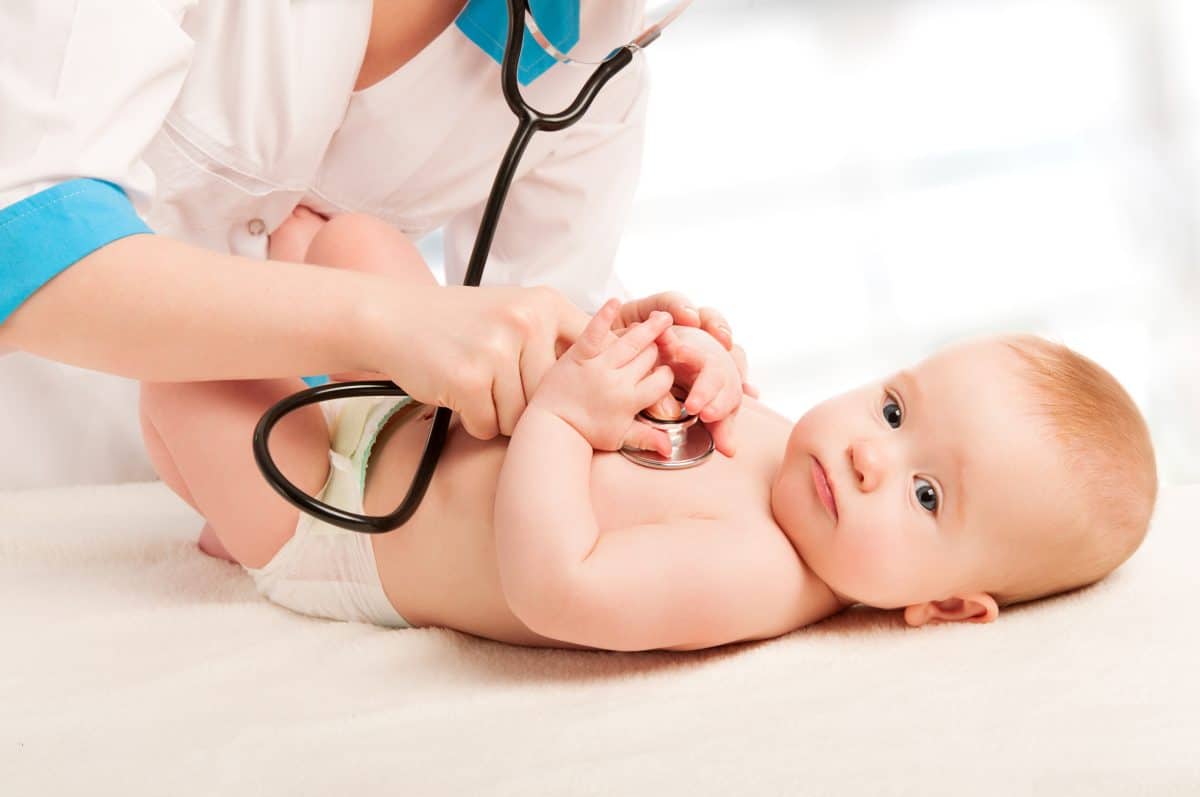
Parenthood is an extraordinary journey filled with magical moments, and one of the most exciting parts is witnessing your baby’s milestones. These milestones mark important stages in your little one’s development and provide valuable insights into their growth.

Understanding these milestones can help you celebrate your baby’s achievements and ensure they are on track.

Read on for the top baby milestones to see if your baby is on track or if they may need a quick appointment with their pediatrician to assess.


Asian-mom-reading-to-baby-1200x800.jpg

They can’t read (yet), but literacy is still important for our little ones.

Here are some of our recommendations of the best books for babies.

Being a parent is hard. We often worry about whether our children are getting the proper nutrition, play enough, or get enough sleep.

But there’s one aspect of parenting that very few people disagree on, and something that you can never do too much of. Reading.

Most parents have heard about the importance of reading to their children but, more often than not, don’t know why it’s important. What if we told you that reading to your baby could give them a leg up in school? I’ll bet we’ve got your attention now.

Before we answer “What are the best baby books?” we first need to tell you the “why” behind reading. It’s so much more than words on pages; reading can strengthen speech, phonics, spelling, and more.

So what are the best books for babies, and why is it so important to read to them regularly? Read on to find out.


child-eating-watermelon-1200x800.jpg

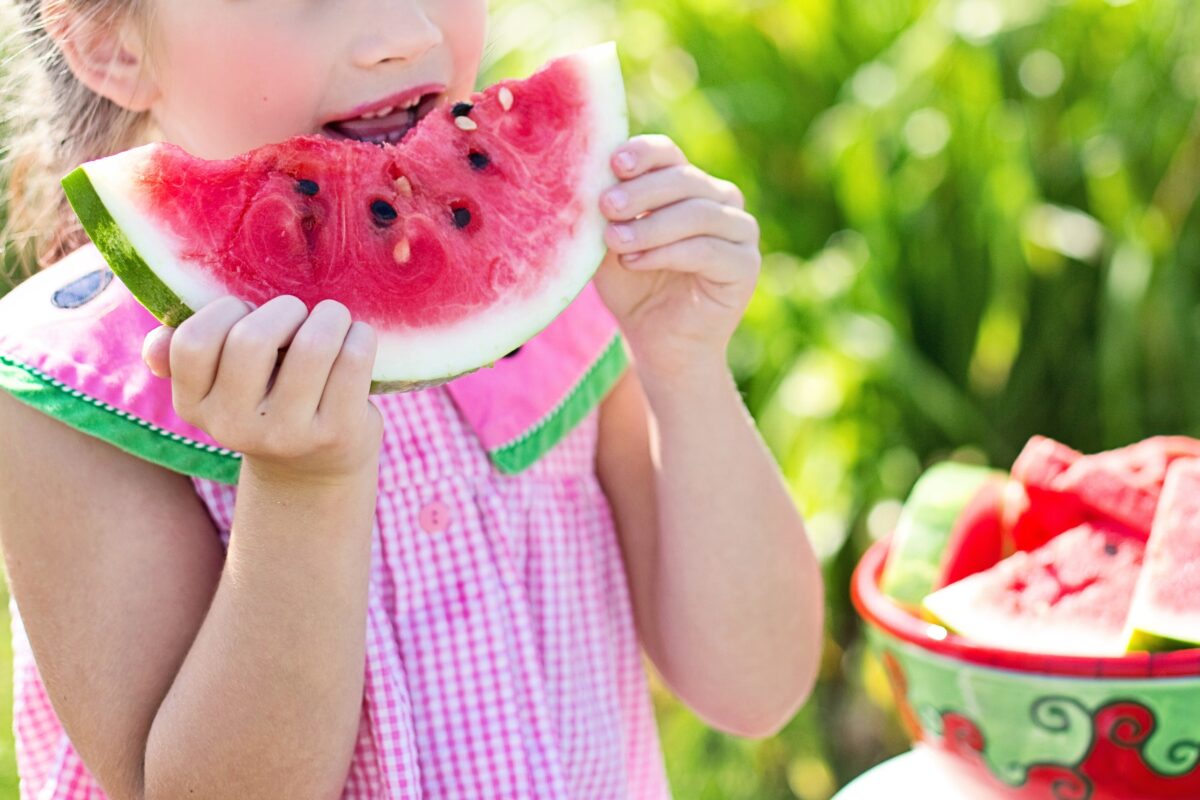
Children’s nutrition has always been a hot button topic.

But it doesn’t have to be confusing! Welcome to Nutrition 101.


If you’ve been a parent for more than a year, you’ve probably asked yourself, “Is McDonalds too unhealthy? Is pizza for dinner okay? How do I pack a healthy kids lunch? Am I a bad parent if my kid has chicken nuggets two nights in a row?”

Relax! While having fast food every day isn’t a good idea, you aren’t going to ruin your kid’s lives if they have an unbalanced meal from time to time.

As pediatricians, we generally recommend that you look at your child’s food intake over the course of a week (or longer) rather than the course of a single day. All things in moderation are fine, provided that your kids have an overall balanced diet.

But what exactly does a “balanced diet” look like?


Depositphotos_313792128_XL-1200x800.jpg

Most parents want their children to grow up happy, healthy, and well-adjusted. Part of that process is making sure that you keep them up to date on their childhood vaccinations.

Vaccines have come a long way in safety, effectiveness, and quality. In fact, we can remember a time when there was no vaccine for certain childhood illnesses, like polio and varicella (chickenpox). Luckily, we don’t have to worry about that anymore.

Like most things in life, vaccines can come with their share of pesky side effects, and this includes the chickenpox vaccine.

Read on for more information about varicella, varicella vaccine side effects, and why it’s important that your child receives their timely vaccination.


Depositphotos_19550919_XL-1200x797.jpg

Being a parent is difficult enough, but throwing in a myriad of childhood illnesses can be overwhelming. This is especially true when it’s the wee hours of the morning and your child is exhibiting some worrying symptoms.

Croup is often one of those illnesses that catches a parent’s attention because the cough sounds horrible. Fret not! At Kid Care Pediatrics, our goal is to walk beside you and give you the tools you need to keep your child safe and happy.

If you find yourself thinking “How long does croup last?”, read on for more information about the ins and outs of croup, what it is, how long it typically lasts, and what you can do about it.


Depositphotos_61227553_XL-1200x800.jpg

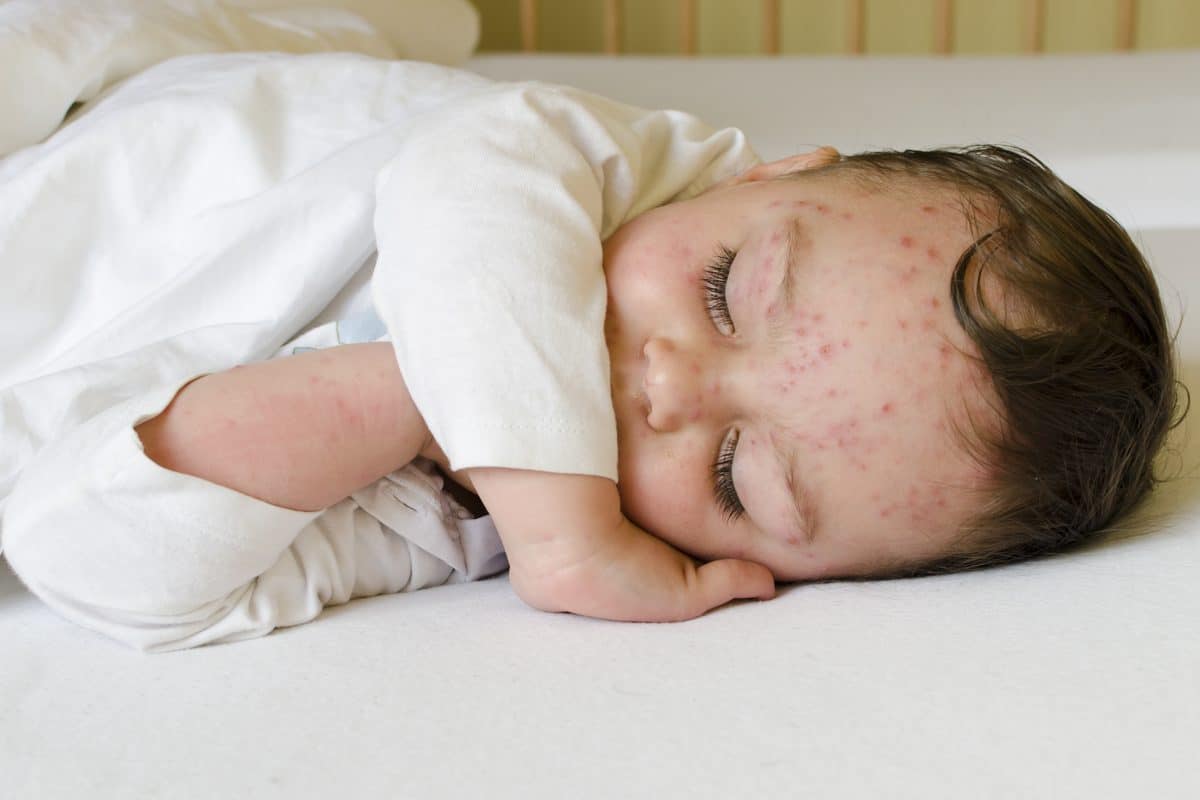
Chicken Pox, also known as Varicella-zoster virus, is a common virus that is best known for the itchy rash it causes. Commonly diagnosed in children, chicken pox is a relatively mild disease but as with all viruses, it can be dangerous to a few collections of people.

As a pediatrician’s office, we are routinely asked about the chicken pox, the rash, symptoms, and the varicella vaccine. Read on for more information about what chicken pox is and what you can do if your child contracts it.


young-girl-blowing-nose-1200x837.jpg

Myths and misinformation abound when it comes to health.

In this article, we answer your top cold and flu myths, including “How do you catch a cold?”


It’s one of the moments that parents dread: “Mommy, Daddy…I don’t feel good.” Your kid is sick, complete with the sore throat, fever, cough, and other symptoms that often come along with it. You’ve ruled out asthma. What’s next?

Whether you’re a new parent or a veteran, nobody likes when their kid is sick. Colds and flu are a (miserable) part of life, but they aren’t the only things that “go viral.” Rumors and old wives’ tales still circulate around these illnesses. Your best friend said turmeric does the trick. Grandma swears by her mama’s chicken soup recipe.

Luckily, we have the lowdown on what is true and what isn’t. Whether it’s “how to catch a cold?” or “should I get an antibiotic?” allow us to bust the top 10 cold and flu myths.


snack-meal-prep-1200x801.jpg

A new school year is right around the corner.

These healthy school lunch ideas for kids will get you off to a great start.


Did you know that the average school lunch time is only 25 minutes? That time includes lining up, walking to, and sitting down for lunch. By the time they reach the lunchroom, students may only have 15 minutes to eat.

As a parent, how do you make sure that they get a healthy lunch that they can eat in a short amount of time?

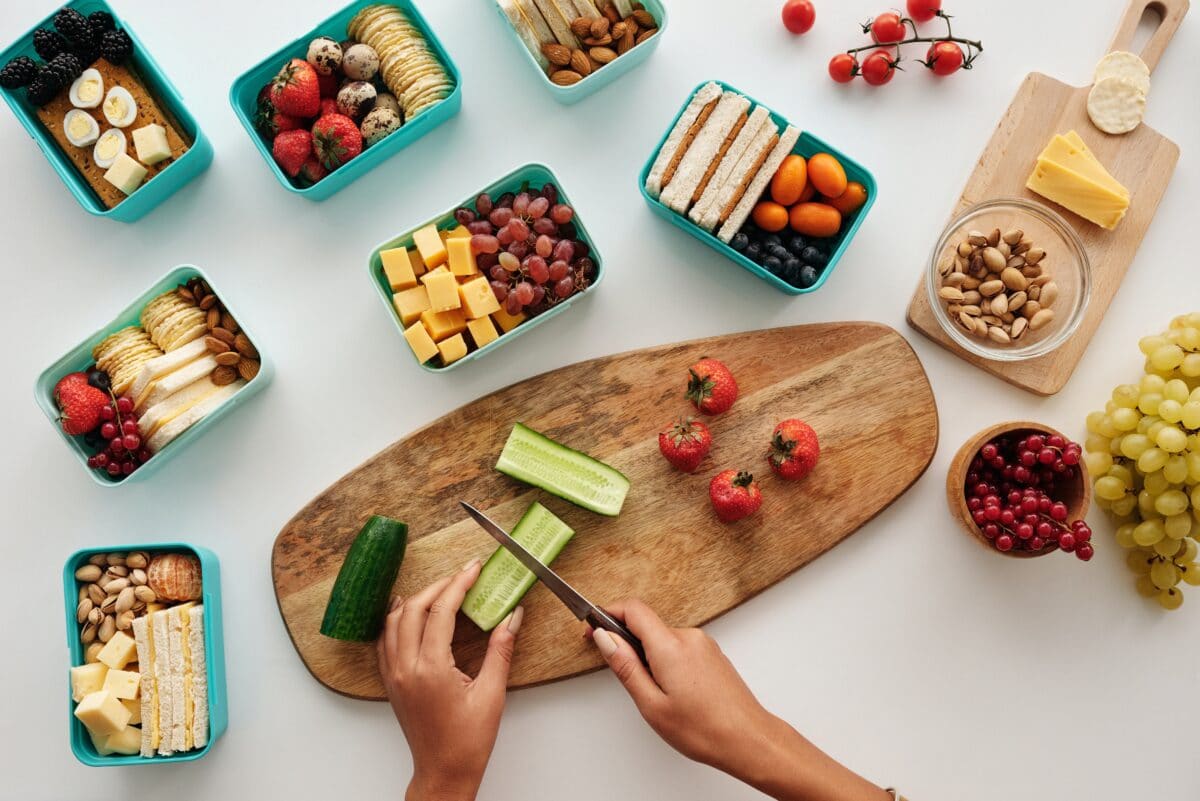
The good news is that it’s simple to create a delicious and nutritious lunch box that your child will enjoy so much that the time won’t matter. They will gobble it up as quickly as they open it!

Read on to find some healthy kids’ lunch ideas that you can be sure will get your kids to eat in the short lunch time they have.


PIC1-1200x901.jpg

Sports physicals for children, also known as preparticipation physical examination (PPE), are a crucial part of childhood sports. It’s important for physically active children to have an annual examination tailored specifically to sports, to document injuries, mobility, flexibility, and any underlying problems. 

Read on for more information about what a sports physical examination is, why it’s important, and what it entails. 


swimming-7878993_1920-1200x800.jpg

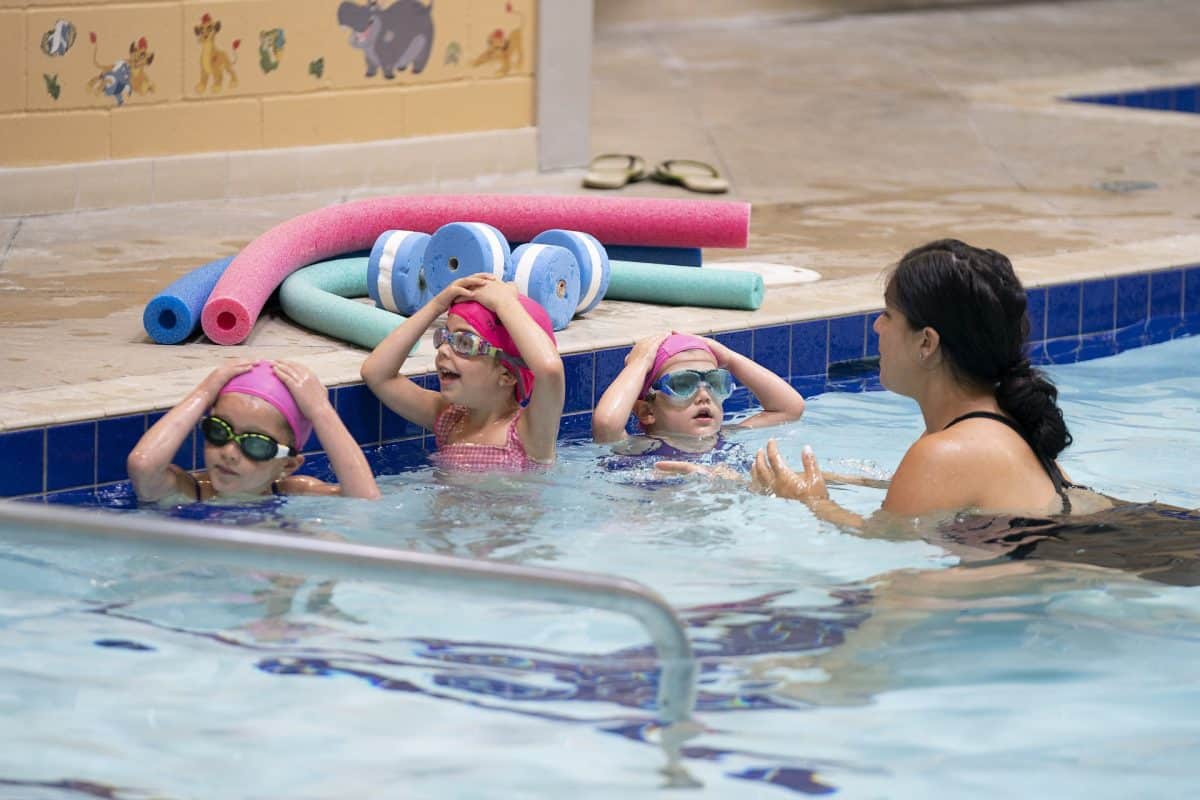
As we approach warmer weather, we get a lot of parent inquiries about swim lessons and swim safety. If you’ve asked yourself if infant swim lessons are necessary, or whether the lessons themself are safe, you’re not alone.

Swimming can be a wonderful way to bond with your child, but you want to make sure that your child has a healthy appreciation for the dangers that surround water play.

Read on for some of the unique benefits of swim lessons, the fun that they bring, and why it’s so important to start your child as early as possible so that they develop a healthy relationship with pools, beaches, and water parks.