
Can a Pediatrician Diagnose ADHD?
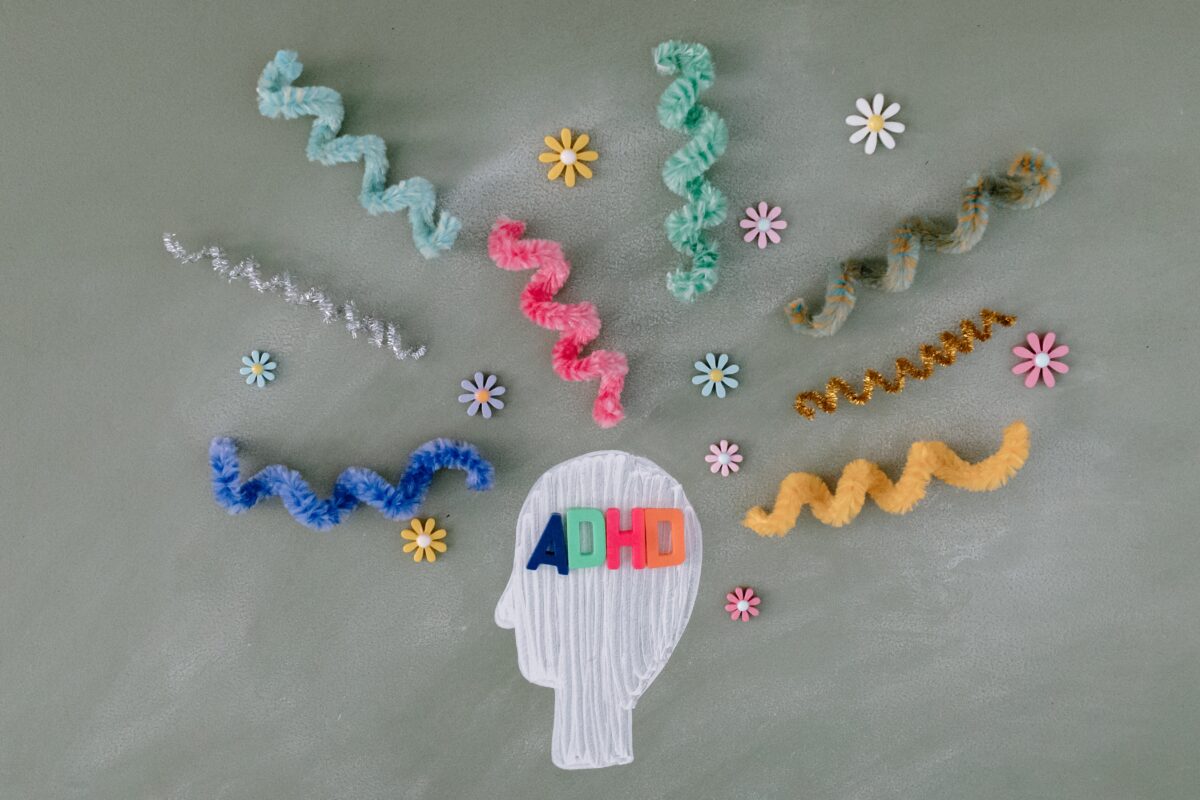
Here’s why you can (and should!) see your kid’s primary care doctors first.
While most pediatricians are proactive at screening for autism, hearing loss, and vision problems, it is typically up to parents to notice symptoms of ADHD in their children and request professional testing.
But for most caregivers, the problem isn’t noticing the signs of ADHD, it’s knowing where to go. Can a pediatrician diagnose ADHD or do you need to see a specialist?
In this article, we’ll answer ‘Who can diagnose ADHD in my child?’ and discuss what you need to know about screening, diagnosing, and treating your child’s ADHD.
What Is ADHD?
According to the American Academy of Pediatrics, Attention Deficit Hyperactivity Disorder, or ADHD, affects about 9% of children, however this number may be higher, as many children may go undiagnosed until adulthood.
One of the reasons why ADHD goes undiagnosed is that it looks very different from child to child. There are three types of ADHD—Inattentive type, Hyperactive type, and Combined—and different levels of severity.
Children with ADHD-Inattentive type tend to have more difficulties with focus and concentration, while those with ADHD-Hyperactive type have more trouble staying still. (Children with Combined type will have difficulties with both.)
According to the DSM-5 (Diagnostic and Statistical Manual of Mental Disorders), ADHD diagnosis requires that symptoms must be present for at least six months and cause significant impairment in two or more settings, such as home and school. For children under age 17, at least six symptoms of inattention or hyperactivity-impulsivity are required, while for individuals aged 17 and older, five symptoms suffice. These symptoms must also have appeared before the age of 12.

Symptoms of ADHD
Symptoms of ADHD are so much more than just fidgety or hyperactivity and it’s usually the parents who notice the child’s symptoms. Teachers may also notice if the child shows signs at school. Some symptoms include:
- Short attention span
- Hyperactivity/Impulsivity
- Mistakes in school work
- Being forgetful or losing things
- Excessive talking at home and school
- Interrupting
- Unable to wait their turn
- Excessive movements
You may be thinking that this just sounds like a typical child. Yes, and no. All children have difficult days, but in the case of children with ADHD, the difficult days will outnumber the easier days.
This list is not exhaustive so it’s very important that you reach out to your child’s doctor if you notice any of these symptoms or any others that concern you.
Can a Pediatrician Diagnose ADHD?
Yes!
While a psychologist, psychiatrist, therapist, or counselor can diagnose ADHD, a pediatrician can also screen out any medical conditions that may be contributing to your child’s behavior.
For example, if your child is having trouble following directions, it might be an issue with their hearing rather than ADHD.
The doctor will put you through a series of questions regarding your child’s behavior and may give you a copy of the questionnaire to complete and also to give to your child’s teacher, guidance counselor, or mental health professional.
It’s important to note that ADHD symptoms need to be observed across multiple settings to ensure an accurate diagnosis. For example, your child may show signs of inattention at school and also struggle to focus during family activities or chores. Observing symptoms in various environments helps pediatricians differentiate ADHD from situational behaviors or other conditions.

What Parents Can Expect at an ADHD Evaluation
An ADHD evaluation is designed to understand your child’s behavior across different parts of their life. Pediatricians combine medical knowledge, developmental guidelines, and detailed observations to make sure nothing important gets overlooked. While the process can feel intimidating at first, most families find it comforting once they understand what will happen.
During an evaluation, your pediatrician may:
Review your child’s medical and developmental history.
This includes birth history, milestones, sleep patterns, school performance, and any past concerns from teachers or caregivers.
Ask about behaviors at home, school, and social settings.
You may be asked for examples of when your child struggles with focus, organization, or emotional regulation. Real-life scenarios help the doctor understand patterns.
Provide screening questionnaires for you and your child’s teacher.
These standardized forms measure inattention, hyperactivity, impulsivity, and how often symptoms appear. Teacher input is especially important because ADHD must be observed in more than one environment.
Rule out other possible causes.
Your pediatrician may screen for hearing issues, vision problems, sleep disorders, anxiety, learning disabilities, or other conditions that can look similar to ADHD.
Observe your child during the visit.
While one appointment is not enough for diagnosis, observing how your child interacts, focuses, and responds to instructions gives helpful supporting information.
Discuss next steps and follow-up.
If ADHD is diagnosed, the pediatrician will talk through treatment options, school accommodations, and a plan for ongoing support. If more information is needed, the doctor may recommend additional evaluation or refer you to a specialist.
This process ensures that the diagnosis is thoughtful, accurate, and tailored to your child’s unique needs.
Treatment Options
After the pediatrician has diagnosed ADHD, what next?
There are two major approaches to treating ADHD: behavior therapy and medication. Contrary to popular belief, medication is typically a “last resort” option (due to its potential side effects) used in older children for whom behavior therapy alone has been unsuccessful.
Behavior therapy focuses on training the parents (rather than the child) how to use techniques such as positive reinforcement (i.e. rewarding good behavior), communication, structure, and discipline when interacting with their child. Therapy should aim to support the child rather than “cure” them.
Once you have an official ADHD diagnosis, contact your child’s school so they can receive an Individualized Education Plan (IEP) or 504 plan. Under this plan, your child will be able to receive certain accommodations to level the playing field, such as seating at the front of the classroom, additional time on tests or being able to use a “fidget” in the classroom.
How Can You Help Your Child?
If your child is diagnosed with ADHD they will of course, need your support. Not only will you be raising them to be functioning adults, but you also have to realize that they have some challenges that require patience. The good news is that an ADHD diagnosis doesn’t require many (if any) changes.
As a parent you likely already regulate screen time, read to your child, and play with them. That’s all that is needed! Love, patience, and support are the foundations for any healthy parent/child relationship. So you’re well on your way!
FAQ: ADHD Screening and Diagnosis for Children
How old does my child need to be for an ADHD evaluation?
Children can be evaluated for ADHD as early as age four, but many diagnoses happen once a child enters school and symptoms become more noticeable during structured activities. Pediatricians use age-appropriate guidelines and rely on both parent and teacher input to make sure the evaluation is accurate.
How long does an ADHD diagnosis take?
The diagnostic process typically happens over several visits. The pediatrician will gather medical history, review questionnaires from caregivers and teachers, and observe your child’s behavior over time. This helps ensure the diagnosis is based on a complete picture rather than a single appointment.
Can my pediatrician prescribe ADHD medication?
Yes. Pediatricians are trained to prescribe ADHD medications when appropriate. Medication is not always needed, but when it is recommended, your pediatrician will discuss dosage, possible side effects, and follow-up visits to monitor how your child responds.
What should I bring to an ADHD evaluation?
Parents often find it helpful to bring notes about their child’s behavior, school concerns, sleep habits, and any incidents that seem out of character. If teachers or caregivers have already mentioned challenges, their observations or completed questionnaires are also useful.
Is it possible for ADHD to be misdiagnosed?
Yes, and this is why pediatricians take their time to rule out other conditions. Symptoms like trouble focusing, fidgeting, or forgetfulness can also appear with anxiety, sleep problems, hearing issues, or academic frustration. Evaluating symptoms across multiple settings helps ensure an accurate diagnosis.
An ADHD Diagnosis Requires Support
As a parent, you are one of the best authorities on your child. If you have reason to suspect that your child has ADHD, autism, or any other condition, it’s definitely worth seeking out a professional opinion.
Having an official diagnosis will not only allow you to understand your child better, it can help you get the support you need to manage their symptoms and make life easier for all of you.
At Kid Care Pediatrics, our practitioners are passionate about providing top-quality healthcare that supports your child’s body and mind. We are happy to discuss any questions you have regarding your child’s diagnosis and/or treatment and are here to support you throughout their childhood.
Call us today to schedule your appointment.

Kid Care Pediatrics
Kid Care Pediatrics has been in existence since October 2001. It was established by Omar A. Gomez, M.D. The practice philosophy at Kid Care Pediatrics is to provide quality pediatric medical care for children in a professional yet caring manner.